
High-Performance Wheels & Unsprung Weight: The Ultimate Guide
Upgrading to High-Performance Wheels: The Power of Unsprung Weight Reduction
Whether you've just bought a brand-new car or a second-hand project vehicle, upgrading the wheels is usually the first modification on any enthusiast's list. But have you ever wondered why car tuners place such a massive emphasis on wheels that focus on "unsprung weight reduction"? Let's dive into exactly what high-performance, weight-optimized wheels do for your ride.
Every component on your vehicle directly impacts its overall performance. Opting for properly engineered wheels with reduced mass significantly decreases the impact force on your suspension system and relieves mechanical strain on your engine. The real-world results are immediately noticeable: sharper handling, quicker steering response, improved stability, and even enhanced fuel efficiency.
The Danger of "Shaved" Wheels
Choosing an agile wheel setup isn't just about picking the one with the lowest number on the scale. Some dangerously substandard wheels achieve a lower mass simply by shaving or machining off metal from the inner barrel or spokes. This directly destroys the wheel's load-bearing structural integrity. Using these compromised wheels for even a month or two can lead to catastrophic cracking or bending, posing a severe danger on the road.
The 3 Main Wheel Manufacturing Processes
To ensure safety and performance, modern standardized wheels are produced using one of these three primary methods:
-
Method A: Casting This process involves pouring molten aluminum into a mold. It is the fastest manufacturing method and allows for versatile designs at a lower cost. However, the trade-off is a denser, bulkier wheel with a higher overall mass.
-
Method B: Forging Forged wheels are created by crushing a solid billet of aluminum under immense pressure, forcing the metal grain to align densely before it is machined into shape. This results in the highest quality, extreme structural strength, and peak agility. Naturally, this premium process comes with a high price tag.
-
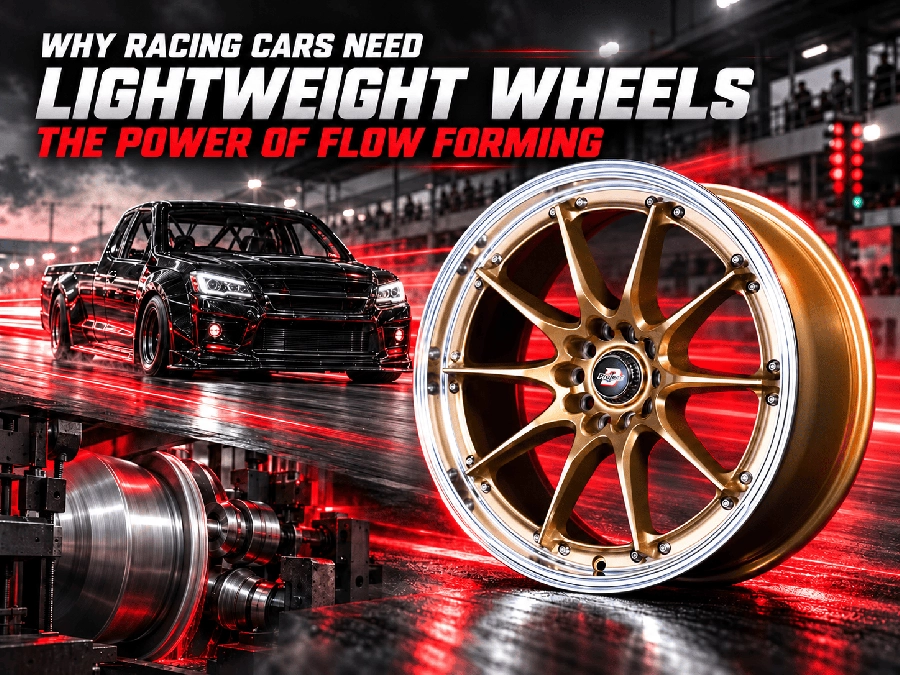
Method C: Flow Forming Utilizing technology similar to aerospace manufacturing, flow forming starts with a cast face. The wheel barrel is then heated and spun at high speeds while immense pressure is applied via steel rollers to stretch and compress the aluminum. This creates a tight, strong structure that offers excellent agility and durability at a much more accessible price point than forging.
Investing in beautifully designed, high-quality wheels that properly reduce suspension load doesn't just elevate your car's aesthetics and performance—it guarantees your safety. When upgrading, always ensure your new wheels fit properly within the fenders. Wheels that poke out too far can compromise handling and may attract unwanted attention from law enforcement!